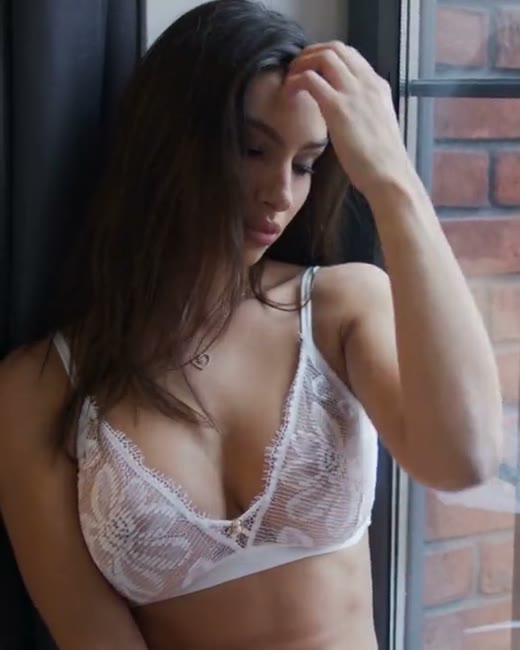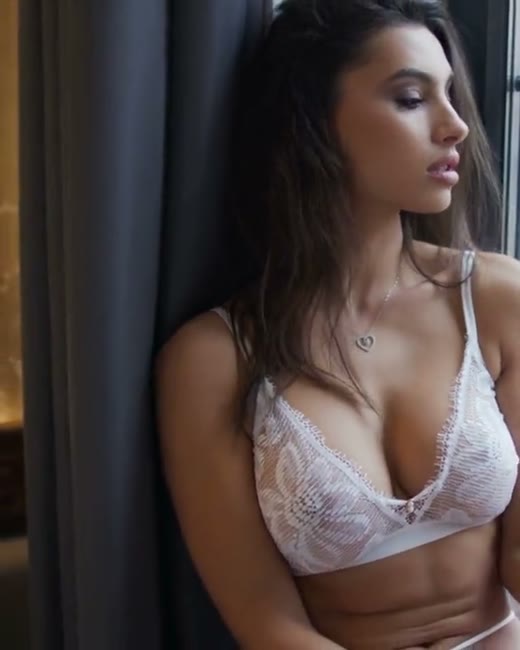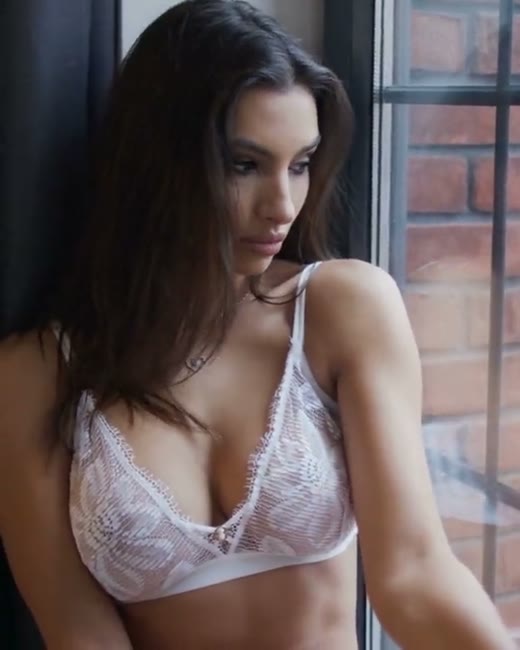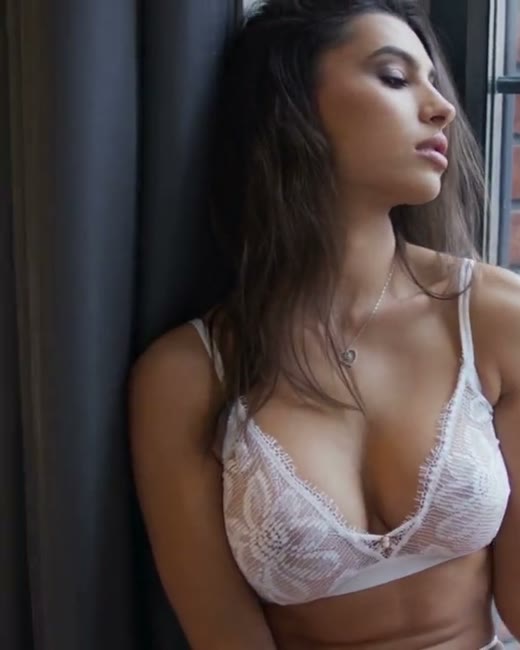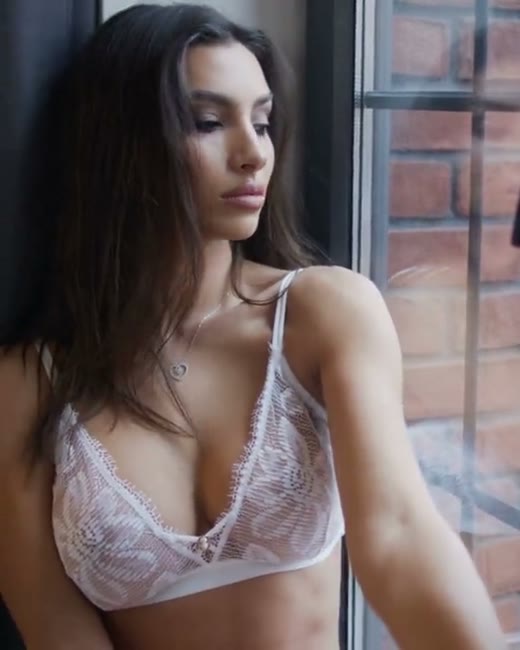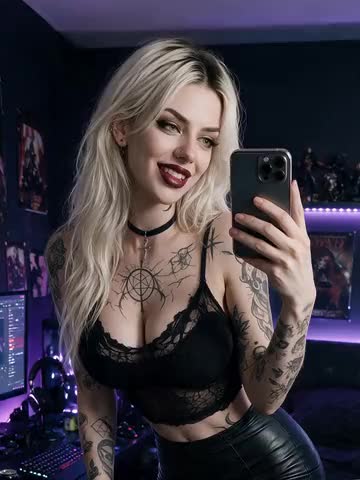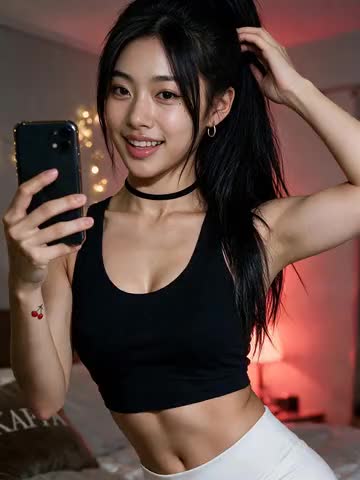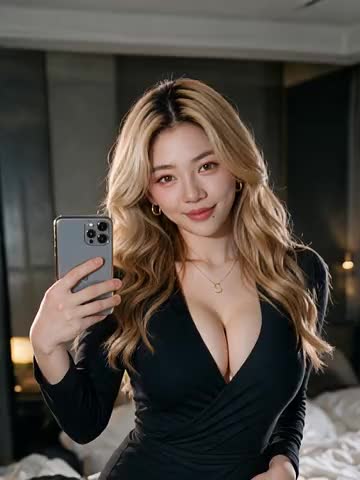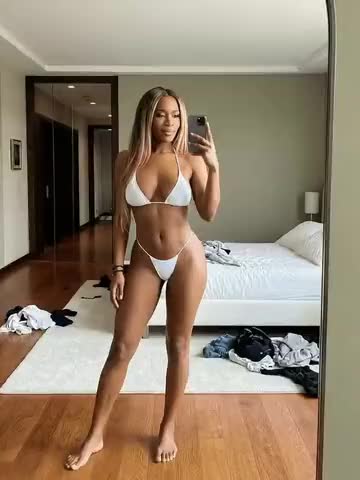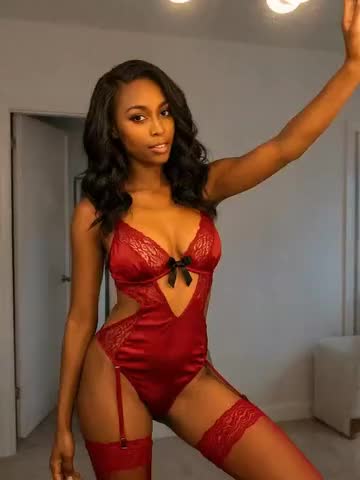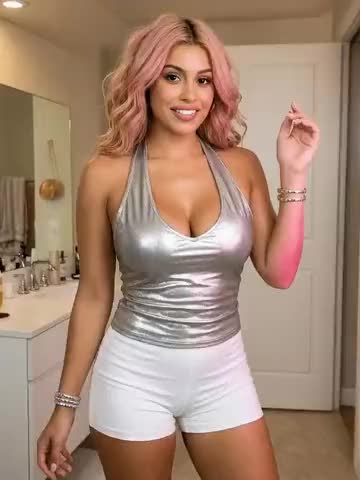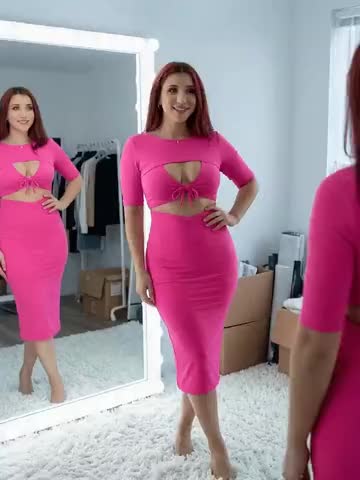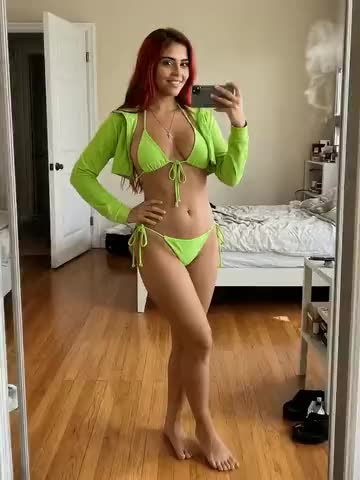

An AI influencer is a virtual persona whose photos, videos, and posts are generated rather than filmed. No camera, no studio, no real person in front of the lens. The character is designed once and produced on demand. Below: what an AI influencer is, how one gets built, what they earn, and where the work really sits, so you can decide whether to build one yourself or hand it off.
Key takeaways
- An AI influencer is a fully synthetic character whose images and video are generated, so there is no real model and no face to show.
- The hard part is consistency: making the same face, body, and style appear across hundreds of images, not generating one good picture.
- AI influencers earn the same way human creators do: subscriptions, pay-per-view content, tips, and brand deals.
- Fan platforms like Fanvue openly allow AI creators; the operator verifies as the business owner, not as on-camera talent.
- The real constraint is promotion and consistency, not studio time, which is why one operator can run several personas at once.
What is an AI influencer, in plain terms?
An AI influencer is a digital character built with image and video generation tools, given a name, a look, a backstory, and a social presence. People follow the account, subscribe to premium content, and message the persona as they would with a human creator. The difference is structural. Every asset comes out of software, so the persona never ages and never books a photoshoot.
The category is not theoretical. Virtual influencers such as Lil Miquela have millions of followers and have worked with major fashion brands for years, as documented on her public profile. What changed recently is the tooling. Generating a believable, consistent character used to require a studio and a VFX budget. Now it requires the right workflow and a few hundred dollars a month in software.
AI influencer, virtual influencer, AI model: are they the same thing?
Mostly, yes. The terms overlap and search engines treat them as near-synonyms, but the usage differs slightly. “Virtual influencer” is the older label and covers CGI characters built by studios, including ones with no AI in the pipeline. “AI influencer” and “AI model” usually mean a character produced with image and video generation models, often by one person or a small team. “AI girlfriend” is a different product again: a chat companion, not a creator business, and not what this guide covers.
How an AI influencer is built
Building an AI influencer is a repeatable process, not a single magic prompt. There are four stages, and most beginners underestimate the second one.
1. Design the character
You decide the persona first: age range, look, niche, personality, and the story that makes the account feel like a real account. A fitness persona and a gaming persona attract different audiences, and different revenue. The niche choice matters more than the rendering quality, because it decides who follows and who pays. Our breakdown of the most profitable AI creator niches covers how to pick one.
2. Lock the character so it stays consistent
This is the step that separates a real AI influencer from a folder of unrelated pretty pictures. A follower will not believe a persona whose face changes shape between posts. Holding one identity steady across hundreds of images is the genuine skill. It usually means training a custom model, or feeding a character reference into every generation, so the same person appears each time. Our walkthrough on building a consistent AI character covers the methods. The tools that do this well are reviewed in our guide to the best AI image generators for fan platforms.
3. Produce the content library
Once the character is locked, you generate a library: profile shots, lifestyle images, themed sets, short video. A working persona needs enough content to post daily and to fill a premium feed, which is why production is ongoing rather than a one-time batch.
4. Set up the accounts and start posting
The persona gets social profiles for promotion and a monetisation profile where fans pay. From there the work is consistency: posting on schedule, replying to messages, and driving traffic from social media to the paid profile.
What does an AI influencer cost to run?
Less than a human creator, with the cost sitting in different places. Software is the visible line: image and video generation subscriptions or pay-as-you-go compute, typically a few hundred dollars a month for a working operation (an estimate, and it moves with usage). The hidden line is time. Character setup, content review, messaging, and promotion all take hours, and the hours are what most first-time operators underprice. A generated set costs cents in compute. The audience it needs costs weeks of consistent posting.
What AI influencers actually earn
Earnings vary as widely as they do for human creators, and most of the spread comes down to promotion, not rendering quality. A new persona with no audience earns close to nothing in month one. A persona with a steady promotion engine and a full premium feed can reach four figures a month, and the top end runs higher.
The most-reported public example is Aitana Lopez, a Spanish AI model whose agency has said she can bring in several thousand euros a month from modelling and fan content. Treat any single figure as an illustration rather than a guarantee. The honest version is a range, and the realistic path is covered in detail in our piece on how much AI influencers make. The structural advantage is on the cost side: because there is no talent fee and the marginal cost per image is near zero, the economics of AI influencers lean toward very high margins once an audience exists.
Where AI influencers make money
AI influencers monetise through the same channels as human creators, usually in combination rather than one alone.
| Revenue channel | How it works | Notes |
|---|---|---|
| Subscriptions | Fans pay monthly for a premium feed | Predictable, compounding base income |
| Pay-per-view | Individual photo and video sets sold in messages | Often the largest line once an audience exists |
| Tips | One-off payments during chats and posts | Higher with active messaging |
| Brand deals | Sponsored posts on social profiles | Mostly for larger, brand-safe personas |
Most operators build on a fan subscription platform first, because it bundles subscriptions, pay-per-view, and tipping in one place. Which platform fits depends on the niche and the platform’s stance on AI content, which our Fanvue alternatives comparison lays out.
Are AI influencers allowed on these platforms?
Yes, on the platforms built for it. Fanvue, for example, openly supports AI creators, and the account owner verifies as the business operator rather than putting a model through ID checks. Mainstream social platforms allow AI characters too, provided the account does not impersonate a real person and follows their content rules. The one rule that matters everywhere is disclosure and honesty about the account being a synthetic persona, in line with the FTC’s guidance for influencers.
Why AI influencers are growing so fast
Three forces pushed AI influencers from novelty to a real business in a short span. The tools crossed a quality threshold, so generated faces and bodies stopped looking obviously synthetic. The cost of producing content collapsed, because a generated set costs a few cents in compute instead of a photoshoot. And fan platforms started competing for AI creators rather than banning them, which gave operators somewhere stable to build.
The combination matters more than any single factor. Cheap content with nowhere to sell it is a hobby. A welcoming platform with no consistent persona is an empty profile. When all three line up, one operator can run a content business that used to require a model, a photographer, and a studio. That shift is also why agencies and solo operators are entering the space at the same time: the barrier that used to be talent and production has moved to strategy and promotion.
Common misconceptions about AI influencers
One misconception: a single good image is enough. It is not. A believable persona needs hundreds of consistent images, and consistency is the hard part. Another: AI influencers run as hands-off income. They do not. Promotion and messaging are ongoing work, and accounts that go quiet stop earning. A third: the audience is always fooled. Many followers know a persona is AI and engage anyway, the same way audiences engage with any fictional character. Being honest that the persona is synthetic, where the platform or audience expects it, costs nothing and avoids problems.
A fourth is that the rendering tool is the whole business. Two operators on identical software get wildly different results, because the gap is niche choice, content cadence, and promotion. The software is a commodity. The system around it is not.
How AI influencers compare to human creators
| Factor | AI influencer | Human creator |
|---|---|---|
| Content cost | Near zero per asset | Photoshoot and time per set |
| Availability | Unlimited, no scheduling | Limited by the person |
| Privacy for the owner | Owner stays anonymous | Identity tied to the work |
| Consistency challenge | Holding one generated identity steady | Natural, but ages and changes |
| Promotion required | High, the main constraint | High, the main constraint |
The table makes the trade clear. AI removes the talent and production constraints, and in exchange adds a technical consistency challenge and the same promotion requirement every creator faces. For a deeper comparison of the business case, see our analysis of human versus AI creators.
Building one yourself versus having it built for you
You can build an AI influencer alone. The tools are available, and a determined operator can learn character consistency, content production, and platform setup over a few months. The cost is time and a learning curve that is steeper than most tutorials admit, mostly because of the consistency problem.
The alternative is to skip the build and start with a finished persona and a content pipeline already running, then spend your time on the one job that actually grows the account: promotion. That trade, your time versus a done-for-you build, is the real decision for most people, not which image tool to use.
Hunaipot designs the persona, locks the character, produces the content, and sets up the platform, so you can run an AI influencer without appearing on camera or learning the tooling. Get your AI creator built for you.