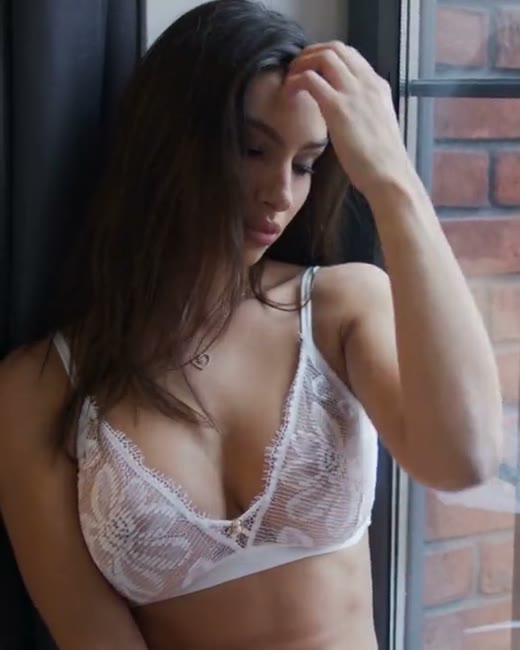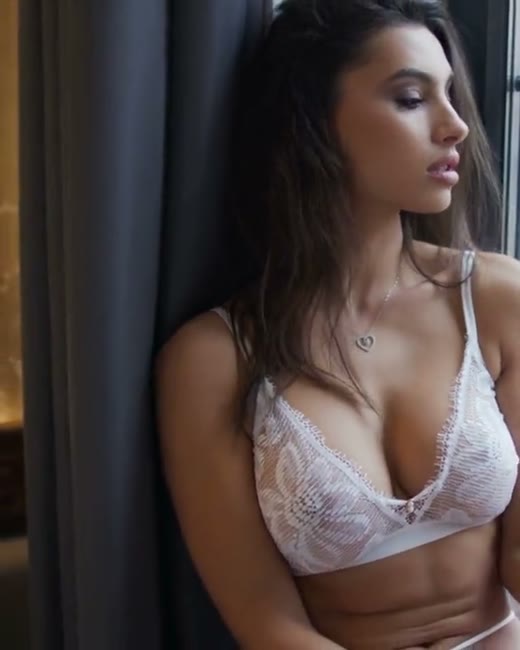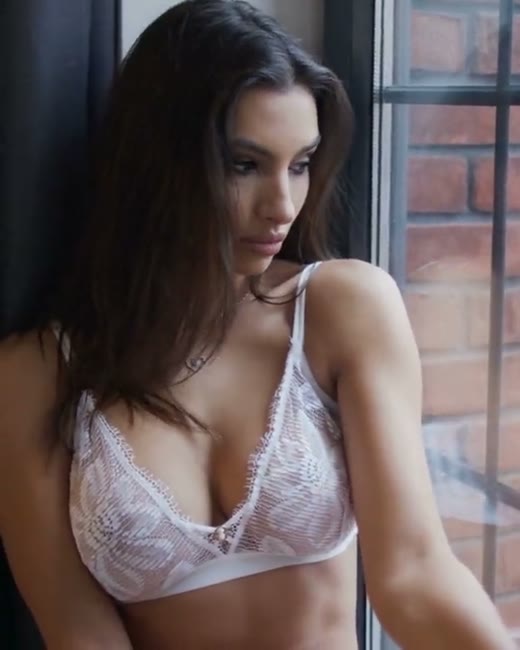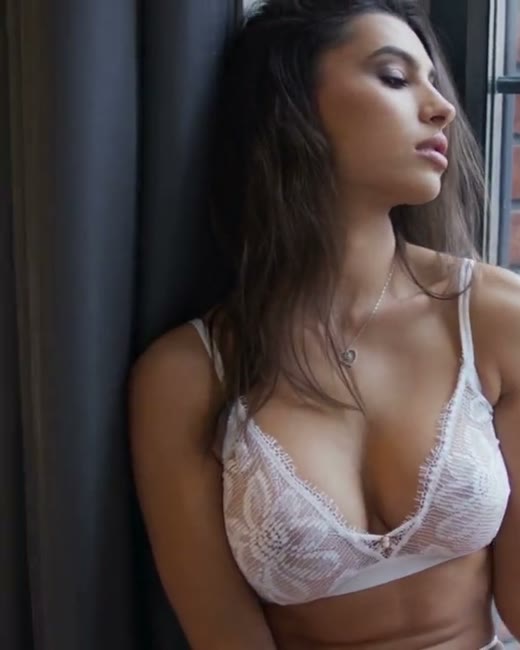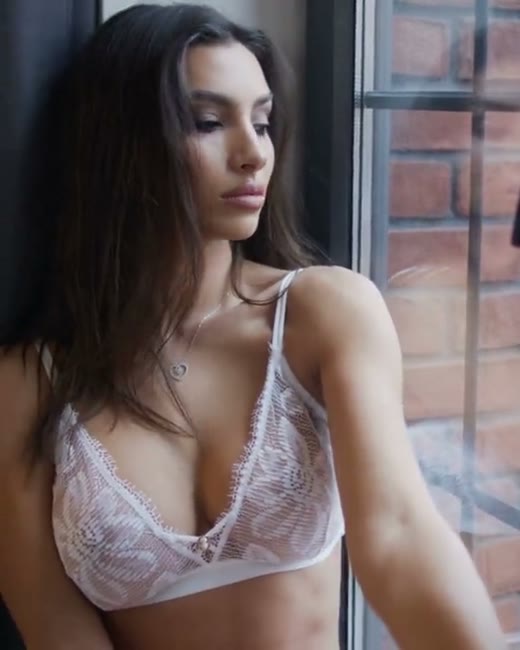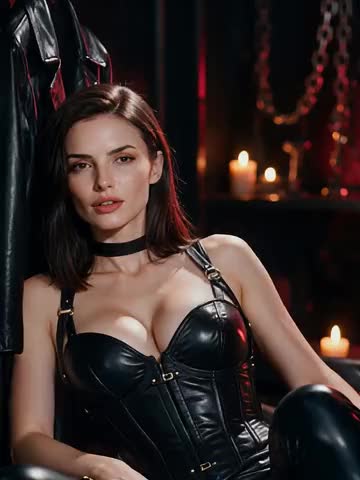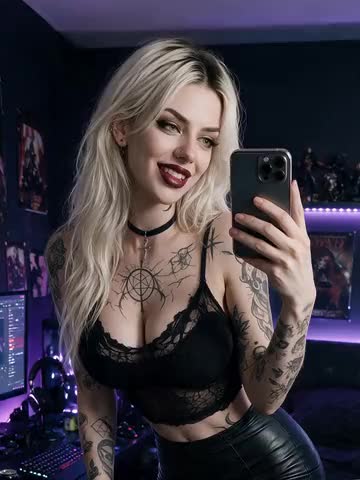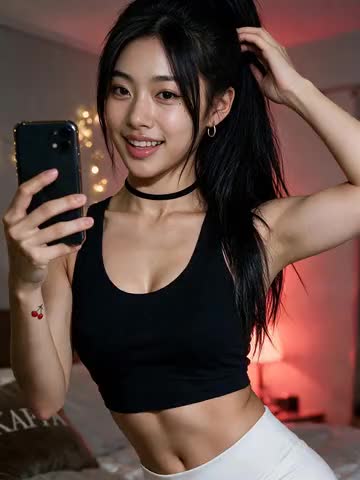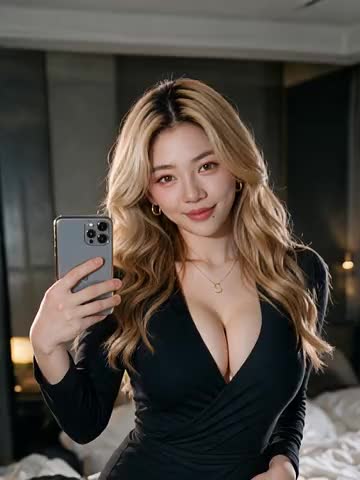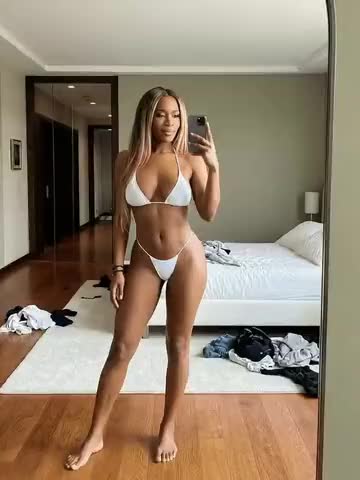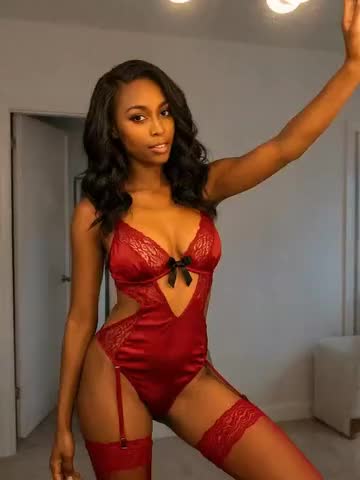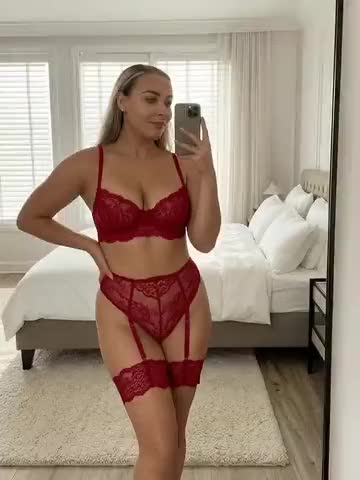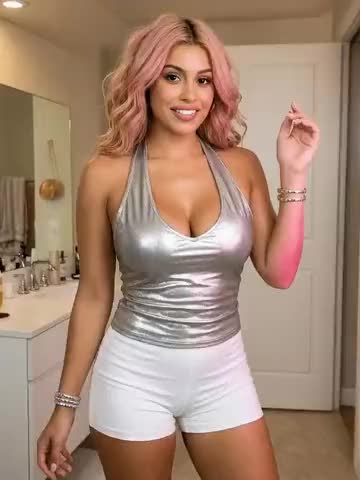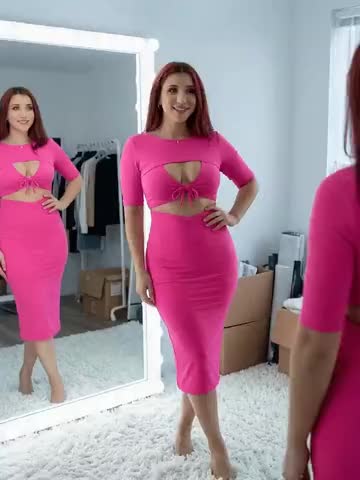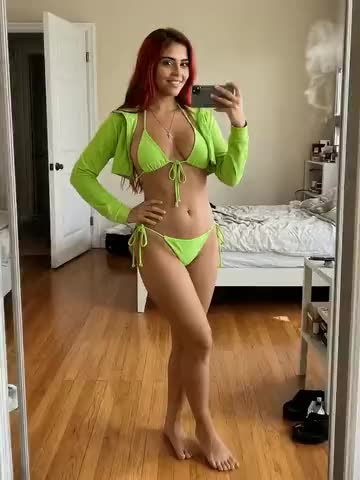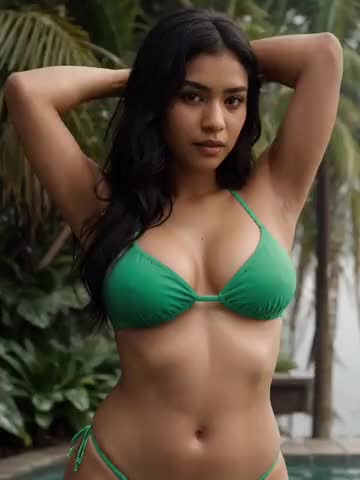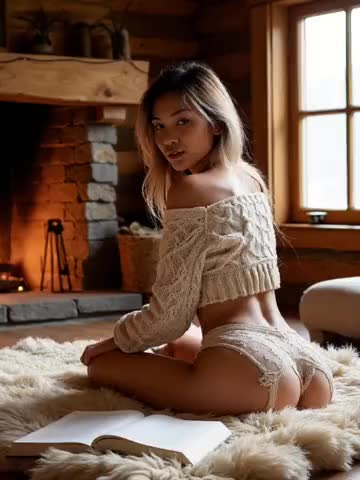

TL;DR: In 2026 the best AI image generator for fan platforms is a stack, not a single app. Midjourney v7 for hero shots, Stable Diffusion plus a trained LoRA for face consistency, and a face-swap tool for volume. Budget $50 to $150 a month for 100+ usable images an hour.
Pick the wrong generator and you kill an AI fan creator business before the first subscriber ever arrives. The face drifts between photos. Skin reads as plastic. A costume changes halfway through a set. Any one of those tanks conversion, because the whole product you are selling is a person who looks real and looks the same every time.
This guide ranks the tools that actually matter for fan platform content, scored on the five things that decide whether an image sells: face consistency, realism, adult-content support, cost, and how many frames you can push per hour.
What an AI Fan Creator Needs From a Generator
Fan platform content has one hard requirement that Instagram influencers and stock-photo buyers do not share: the same face, thousands of times, with no visible seams. A subscriber who spots a shifting jawline between two posts feels catfished and cancels. So consistency outranks raw beauty. A merely good image of a persona your audience already recognises beats a stunning image of a stranger.
That single constraint is why no one tool wins. The operators earning real money run a three-layer stack.
- Midjourney v7 for hero image quality
- Stable Diffusion with a LoRA for a face that never moves
- A face-swap layer for high-volume batches
Together the stack runs $50 to $150 a month and turns out professional content at scale. It also drops straight into the wider AI creator agency tech stack next to your chatbot and scheduling tools.
Tool-by-Tool Breakdown
1. Midjourney v7
Best for: hero shots, Instagram teasers, profile photos
Rating: 9.5/10 quality | 6/10 consistency
Nothing else touches Midjourney v7 on pure aesthetics. The lighting, the skin texture, the way a photo simply feels shot rather than rendered: this is the tool for the handful of images that have to stop a thumb.
Then it lets you down where it counts. You cannot fully lock a face. Every render hands you a slightly different woman, and for a persona you plan to run for a year that drift is disqualifying on its own. The --sref and --cref reference flags in v7 pull generations closer to a look, but “closer” is not “identical.”
Use it deliberately: batch 20 to 30 hero-grade frames for your best teasers and your profile cover, then hand production to something that holds the face.
Cost: $10/month Basic to $30/month Standard
2. Stable Diffusion (ComfyUI / Automatic1111)
Best for: face-consistent persona production at volume
Rating: 8/10 quality | 10/10 consistency
This is the workhorse. Stable Diffusion driven by a trained LoRA is the standard every serious AI creator ends up on, and the technical foundation under any virtual girlfriend AI business. You train a small model on 500 to 1,000 reference images of one face, and from then on every generation wears that face. Hugging Face’s LoRA training documentation walks through the mechanics if you want to see exactly how the adaptation works.
What it buys you:
- LoRA training so your persona is identical across 10,000 images
- ControlNet for exact poses and framing
- Inpainting to fix hands, adjust clothing, and clean artefacts
- Full adult-content support with the right model variants
Where to run it: a local NVIDIA RTX 3080 or better gives the best speed but eats roughly $400 a month in electricity at production volume. Most operators skip the hardware and rent cloud GPU on RunPod or Vast.ai at $0.20 to $0.50 an hour, paying only for the frames they generate.
Cost: $30 to $100/month on cloud GPU for typical volumes
3. FaceSwapLab / ReActor (Stable Diffusion extensions)
Best for: ultra-high-volume production
Rating: 7.5/10 quality | 9.5/10 throughput
Face-swap tools take a generic image, any body, any pose, any outfit, and drop your trained face onto it in seconds. This is the trick behind agencies shipping 200 images a day without retraining a LoRA on every batch.
The workflow is short: generate or source the body pose, swap the persona’s face on, inpaint the blend line. On a mid-tier GPU you clear 50 to 100 finished frames an hour.
Cost: free as an SD extension; you pay only for GPU compute
4. Kling / Luma AI (video)
Best for: short teasers and movement content
Rating: 8/10 quality | N/A for volume
Still images carry fan platforms, but a three-second clip of a wink or a slow breath lifts profile conversion sharply over a static-only page. Treat video as a garnish, not the meal.
Generate five to ten short clips a week as premium teaser content, post them to TikTok and Reels to pull traffic, and sell custom clips as pay-per-view.
Cost: Kling around $10/month for the basic plan; Luma pay-per-clip at roughly $0.05 to $0.20
5. DALL-E 3 / ChatGPT
Best for: concept sketches, nothing else
Rating: 6/10 quality | 2/10 consistency
Fast, easy, and useless for the actual job. DALL-E 3 blocks adult content by policy, cannot hold a face, and stamps out images a trained eye reads as AI on sight. Keep it for mood boards, background props, and lifestyle scenery. Never point it at the persona.
Side-by-Side Comparison
| Tool | Face Consistency | NSFW Support | Cost/mo | Images/hr |
|---|---|---|---|---|
| Midjourney v7 | Limited | No | $10–$30 | 20–50 |
| Stable Diffusion + LoRA | Excellent | Yes | $30–$100 | 50–200 |
| FaceSwapLab | Good | Yes | $0 (GPU cost) | 100–300 |
| Kling AI (video) | Good | Limited | $10–$50 | 5–20 clips |
| DALL-E 3 | None | No | $20 (ChatGPT) | 20 |
| Hunaipot (done-for-you) | Excellent | Yes | Per build, not monthly | Delivered, not run by you |
This table covers general-purpose models you drive yourself. Purpose-built creator products such as Sozee and Glambase, and likeness tools such as FoxyAI, work differently enough to need their own axes, which our AI influencer platform comparison lays out.
The Recommended Stack by Budget
Starter ($50/month): Midjourney Basic plus a few RunPod hours of Stable Diffusion. Enough to launch one persona and prove the funnel.
Standard ($100/month): Midjourney Standard plus steady RunPod time for consistent daily production across one or two personas.
Professional ($150+/month): the full stack with Kling added for video, sized for a multi-persona roster.
Done-for-you (no stack): Hunaipot, which belongs here as the option where you buy none of the above. The persona is designed and locked, the content is produced on a cadence, and the fan platform is set up, so there is no Midjourney subscription, no RunPod bill and no LoRA to train. It is priced per build rather than per month, which makes it far and away the most expensive row on this page, and it is the only one where you never touch the model. An operator who wants to develop their own look should ignore it and run the Standard stack. It suits the reader whose constraint is time and technical patience rather than budget.
For a launch sequence that turns these tools into revenue quickly, see the 30-day blueprint to $10k/month.
Can AI Images Actually Pass as Real?
Yes, at the resolutions fan platforms and social feeds actually use. Modern Stable Diffusion output with a clean LoRA reads as human on standard social media sizes. Detection gets harder only at full native download resolution, and even there the fix is craft, not a better tool: real lighting, believable skin texture, and negative prompts that strip the tell-tale airbrushed perfection out of the render. The creators who look fake are the ones who skip that finishing work, not the ones on the wrong software.
Start Producing Content That Sells
Hunaipot designs the persona, trains the face, produces the photo and video content, and sets up the fan platform, so you can run an AI creator business without ever being on camera or touching a GPU. Get your AI creator built for you.