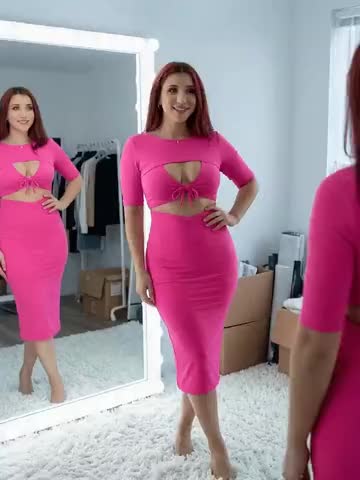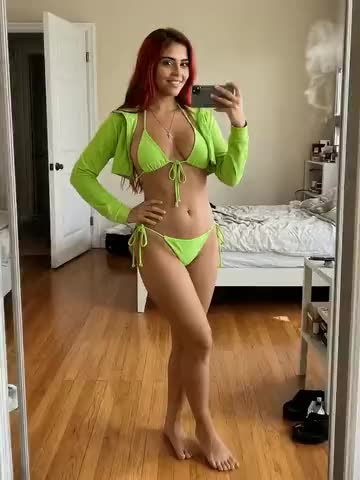

An AI voice generator gives an AI influencer something a still image cannot: a voice for video, audio messages and chat. Short video is where most personas find their first audience, and a silent clip or a mismatched voice gives the game away in seconds. This guide covers how AI voice works for a persona, which type of tool to pick, how to keep one voice stable across months of content, and the consent rules that decide whether a voice is an asset or a liability.
Why an AI influencer needs a voice
For a long time an AI persona lived entirely in still images and a voice was optional. That has changed for two reasons. The platforms that grow personas fastest, TikTok and Instagram Reels above all, are built around video with sound. And on fan platforms, voice notes and audio messages are a common paid extra, because they read as personal in a way a caption never does.
The voice is part of the character, the same way the face is. A persona whose voice does not fit its look, or whose voice shifts between clips, breaks the illusion as surely as a drifting face does. The goal matches consistent character generation: one recognisable voice across everything the persona publishes.
How AI voice generators work
Modern tools are built on neural speech synthesis, the field covered in the speech synthesis overview. Output has moved well past the flat, robotic read of early text-to-speech. Breaths, pacing and emphasis are now controllable, and the better tools take direction such as “warm, slightly amused, mid-paced.”
Two approaches matter for a persona.
Text-to-speech with a designed or stock voice. You pick a voice from a library, or describe one in text, and the tool reads any script in it. ElevenLabs, Microsoft Azure Speech, Google Cloud Text-to-Speech and OpenAI’s speech models all work this way. This is the default choice for personas.
Voice cloning. The tool builds a voice from sample audio of a real speaker. It is powerful and it is where the legal risk sits, covered in the consent section below.
For most operators, a designed text-to-speech voice is the right starting point. You get a fixed, owned voice for the character without cloning a real person.
Choosing a tool: what to compare
Skip the feature lists and test on the points that will hurt you later.
| What to check | Why it matters for a persona |
|---|---|
| Voice stability across long scripts | Some voices drift in tone or accent halfway through a two-minute read |
| Emotion and pacing control | A flirty voice note and a product-explainer clip need different delivery from the same voice |
| Language and accent range | Decides whether the persona can serve audiences outside one market |
| Commercial-use terms | Free tiers on many tools restrict commercial use, and a monetised persona is commercial |
| Voice lock or saved voice ID | Lets you regenerate the same voice next month, not a near match |
| Export quality | Compressed output falls apart when it is layered into video |
Run the same 30-second script through two or three tools with your character brief, listen on phone speakers (where your audience will hear it), and pick the one that stays steady across five takes. The last point is the one people skip, and it is the one that decides whether the voice holds up in production.
Keeping a voice consistent
Lock one voice for the persona and use it everywhere. Record its exact settings: voice ID, speed, style or stability values, and the tool version. Write them into the same character sheet that holds the face prompt, because the two belong together.
Voice drift is quiet. A tool update, a changed slider or a different export setting produces a voice that is 95% right, and audiences notice even when they cannot say what changed. Treat off-model audio like an off-model image and redo it.
Match the voice to the character deliberately. Age, register, accent and energy should all agree with the persona’s look and backstory. A 22-year-old fitness persona with a gravelly, unhurried voice reads as wrong before she says a word. This is the audio version of the discipline that separates a believable character from a pile of disconnected assets.
Where voice fits in the persona’s content
Voice opens several formats.
- Short video. Voiceover on generated or edited clips, which is the fastest growth channel for most personas.
- Voice messages. Audio replies and paid voice notes on fan platforms add intimacy that text does not.
- Companion and chat products. Here voice is close to essential, because the conversation is the product, as covered in the guide to the AI girlfriend and companion business.
Add voice after the visual persona is stable, not before. Images and face consistency are the foundation, and voice extends a persona that already works. Start with one format, usually short video, get it steady, then move to messages and audio. Voicing everything at once is how inconsistent results creep in.
The rules: consent and honesty
Consent is the biggest issue. Do not clone a real person’s voice without their explicit permission. Cloning an identifiable voice without consent can breach rights of publicity and, in a growing number of places, specific laws on synthetic likeness. Reputable tools now require proof of consent before they will build a professional clone, and that is a sign of where the rules are heading, not a hurdle to route around.
A designed voice that is not modelled on a specific person avoids the problem. It is the safer default and the easier one to defend if a platform or a brand ever asks where the voice came from.
Honesty applies as well. Where disclosure is expected, be clear that the persona, voice included, is AI, in line with the FTC’s guidance on disclosure. A synthetic persona with a synthetic voice, presented openly, is on solid ground. Read each fan platform’s own rules on AI-generated audio too, since they differ and change.
Where voice tools are heading
Real-time voice, more expressive delivery and tighter integration with video and chat tools are all advancing. The cost of a good voice keeps falling, so a voice is moving from nice-to-have to standard equipment for a complete persona.
The tool itself is becoming a commodity. The durable advantage is the system around it: a voice that fits the character, locked and documented, used in the formats where audiences actually are. Betting on one vendor matters less than owning the voice ID, the settings and the character sheet, so you can move tools without changing how the persona sounds.
The bottom line
An AI voice generator gives a persona a voice for video, audio and chat, and it is increasingly part of a complete AI influencer rather than an optional extra. Pick a designed text-to-speech voice, test tools for stability rather than features, lock the settings, and never clone a real person without consent.
Hunaipot builds complete, consistent AI personas, including the voice where it fits, so your persona is coherent across images, video, and chat from the start. Get your AI creator built for you.